Tennis Ball DOD Svg Cut Files: A Designer’s Practical Take
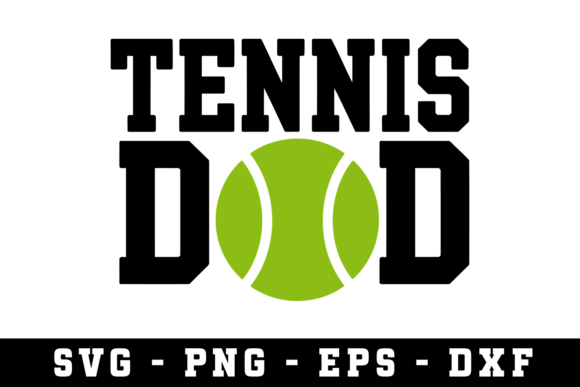
When I first opened the Tennis Ball DOD Svg Cut Files, I was immediately drawn to its playful and nostalgic vibe. The design captures the essence of a classic tennis ball with clean, bold outlines and minimalistic detailing—perfect for a wide range of embroidery projects. As an experienced designer and reviewer, I know that first impressions matter, but it's how a design performs in real-world stitching scenarios that truly defines its value.
First Impressions and Design Feel
The Tennis Ball DOD Svg Cut Files stand out for their simplicity and charm. It’s a straightforward applique-style design that uses contrasting colors effectively. The shape is symmetrical and well-proportioned, making it instantly recognizable and versatile. This kind of visual personality works well for both casual and more refined handmade products, especially those targeting a sporty or retro aesthetic.
I could see this design fitting naturally into custom apparel like sweatshirts or t-shirts, where a subtle yet eye-catching motif can elevate the overall look. It also has potential as a decorative element on tote bags, aprons, or even nursery decor if paired with the right style and color choices. The file feels modern enough for digital product sellers and Etsy creators while still retaining a handcrafted warmth.
Real-Life Scenario: Embroidering a Custom Tote Bag
To test the Tennis Ball DOD Svg Cut Files in action, I tried applying it to a cotton-linen blend tote bag. The result was impressive—the contrast between the white and yellow parts of the ball stood out clearly against the light gray fabric. Because the design doesn’t have intricate details, it translated well from screen to stitch, maintaining its visual clarity without overwhelming the material.
However, I noticed that when I used a very dark fabric background, the visibility dropped significantly. This led me to experiment with different thread color combinations. On a black tote, using a bright white thread helped maintain definition, but it wasn’t quite as charming as on lighter tones. That said, the design still worked—it just required thoughtful planning and some creative color choices.
Performance in Real Embroidery Projects
As someone who regularly creates handmade products and reviews machine embroidery designs, I evaluated the Tennis Ball DOD Svg Cut Files across multiple use cases. Here’s what I found:
- Sweatshirt Embroidery: The design stitches cleanly and looks great with a bit of texture, especially when using satin stitch around the perimeter and fill stitch inside the ball segments.
- Baby Clothes & Nursery Decor: Its soft and simple form makes it suitable for baby items, though I’d recommend avoiding stretchy fabrics unless you adjust the stitch density accordingly.
- Custom Apparel: Works well for men’s and women’s tees. Just be sure to choose a hoop size that allows for proper spacing around the design to avoid distortion.
- Embroidered Patches: The design scales nicely for patches, particularly when using a lightweight stabilizer to ensure sharp corners and clean lines.
- Wood Signs and Tumblers: Since these are cut file-based graphics, they work beautifully for heat press or vinyl applications too, which is a bonus for crafters looking to diversify their product offerings.
- Etsy Listings and Boutique Branding: The consistent shape and layout make it ideal for building a cohesive brand identity. It adds a touch of fun without being too loud, which is perfect for small shop merchandise.
In all these scenarios, the design performed reliably. It didn’t require excessive tweaking, but did benefit from a few minor adjustments depending on the fabric and intended use.
Where to Use with Caution
While the Tennis Ball DOD Svg Cut Files are adaptable, there are certain situations where extra attention is needed:
- Small Hoop Sizes: The design might feel cramped if not scaled down appropriately. Always check your machine’s minimum hoop size and plan accordingly.
- Textured or Stretchy Fabrics: These can cause slight misalignment or puckering, especially in the detailed corners of the ball. Using a tear-away or wash-away stabilizer helps mitigate these issues.
- Dark Fabric Backgrounds: Thread color choice becomes critical here. Consider using metallic or fluorescent threads for better visibility and impact.
- Curved Surfaces (e.g., Caps): You’ll need to modify the design slightly for curved embroidery areas to prevent distortion. Some trial and error may be necessary.
- Frequent-Wash Items: If you’re using it on tea towels or aprons that get washed often, opt for durable thread types and secure the back with appropriate backing stitches.
Impact on Visual Appeal and Professionalism
This design brings a sense of whimsy and creativity to any project. It’s not overly complex, but it’s distinctive enough to catch attention. For personalized gifts, like holiday-themed embroidered pillows or custom mugs, it adds a unique flair without overpowering other elements. In a commercial setting, such as branding for a sports boutique or fitness studio, it can serve as a memorable embroidery asset that customers will recognize and associate with your business.
What stands out is how it enhances the product value. Even a basic tote bag or cap feels elevated with this design. Customers appreciate the quality and thoughtfulness behind such touches, which can boost buyer engagement and repeat sales. It’s a great example of how a well-designed digital embroidery file can turn a simple item into something special.
Design Notes for Optimal Results
Here are some practical tips I’ve picked up over the years when working with similar SVG files:
- Test on Scrap Fabric First: Especially if you're using it for commercial orders or high-value custom apparel.
- Review Stitch Density: Too dense and it risks damaging delicate materials; too loose and it may lack crispness. Find a balance that suits your fabric type.
- Check Thread Color Contrast: Before finalizing your order, run a mock-up with your chosen thread colors to ensure visibility and harmony with the fabric.
- Confirm Hoop Size Requirements: While the exact dimensions aren't specified, always verify whether your hoop can accommodate the full design comfortably.
- Inspect Small Details: The segmented pattern of the ball should align perfectly. If there are any tiny gaps or inconsistencies, correct them before mass production.
- Use Proper Stabilizer: Depending on the fabric, a stabilizer can make the difference between a neat finish and a distorted mess.
- Consider Licensing: If you're planning to sell finished products or digital assets, double-check the licensing terms to stay compliant and professional.
Final Thoughts for Crafters and Business Owners
The Tennis Ball DOD Svg Cut Files are a solid addition to any craft business’s design library. They offer a good mix of functionality and style, making them useful for everything from DIY home decor to branded apparel for a small shop. What really sets them apart is their adaptability—you can tweak the color scheme, scale them for different surfaces, and even pair them with other motifs to create a cohesive collection.
That said, don’t overlook the importance of testing. Every embroidery project is unique, and the way a design behaves on one fabric can differ greatly from another. As a designer, I always recommend running through a few key tests before going full-scale:
- Try it in black and white to see how it holds up without color.
- Compare results on light and dark fabric backgrounds.
- Make sure the file format is compatible with your embroidery software.
- Confirm that it meets your standards for professional embroidery and customer satisfaction.
Overall, the Tennis Ball DOD Svg Cut Files are a dependable option for anyone looking to add a little character to their handmade product line. Whether you're an embroidery designer, an Etsy seller, or a hobbyist creating personalized gifts, this design offers a fresh, approachable aesthetic that can enhance your creative output and build stronger connections with your audience.