Vintage Seashell Clipart Illustration: A Versatile Graphic for Coastal Content
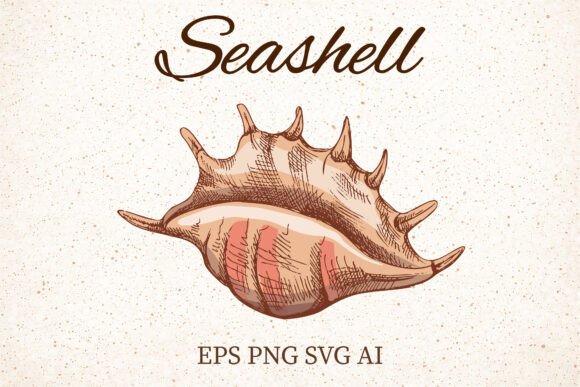
As a seasoned blog designer and digital publisher, I'm always on the lookout for graphic design assets that bring editorial content to life. The Vintage Seashell Clipart Illustration recently caught my eye with its charming blend of retro linework and coastal inspiration. This hand-drawn piece features an engraved ocean shell in soft beige and coral tones, complete with intricate details that evoke a sense of nostalgia and seaside serenity.
Capturing the Right Editorial Mood
The first thing I noticed about this illustration is how it instantly sets a tone. It doesn't scream for attention but rather invites you to slow down and savor the visual experience. This subtle elegance makes it ideal for lifestyle-focused, playful, and decorative niches—think travel blogs, wellness sites, or seasonal content around summer and beach themes. Its vintage feel also adds a layer of authenticity, which can enhance reader trust and reinforce your brand's personality if you're going for a cozy, artisanal vibe.
This design leans into a feminine and artistic aesthetic without being overly ornate. It’s perfect for niches like home decor, fashion, or beauty where a touch of whimsy can elevate the visual storytelling. However, it’s not a one-size-fits-all solution. If your content skews towards corporate branding or high-tech industries, you might want to use it more sparingly or avoid it altogether.
Real-World Publishing Applications
Let’s dive into some practical ways I’ve found the Vintage Seashell Clipart Illustration can be used in a real publishing workflow:
- Blog Featured Images: Pair it with a clean headline for posts about beach getaways, coastal living, or summer recipes. It brings warmth and charm to featured images, especially when using pastel or neutral backgrounds.
- Pinterest Graphics: Pinterest thrives on visual appeal, and this illustration can make your pins stand out in a sea of stock photos. Place it in the corner or center of your layout to create a focal point that draws the eye.
- Article Headers: Use it as a decorative header for articles or guides related to nature, self-care, or creative hobbies. The soft tones help maintain a professional look while still feeling approachable.
- Newsletter Banners: Integrate the seashell motif into a newsletter banner for a themed email campaign—perhaps a summer collection or a product launch for nautical-inspired goods.
- Digital Guides & Lead Magnets: The detailed linework and vintage style are great for educational content like printable art journals, DIY craft guides, or digital printables aimed at hobbyists.
- Website Headers and Category Thumbnails: The illustration works well in headers for sections like "Coastal Living" or "Summer Travel." Its recognizable shape also helps with category recognition, making navigation easier for readers.
- Social Media Previews: For Instagram Stories, Facebook posts, or YouTube thumbnails, this clipart can add a personal touch to your promotional visuals, especially when paired with handwritten fonts or watercolor textures.
- Media Kits and Branding Materials: If your brand has a coastal theme, consider including the seashell in your media kit as a signature graphic element. It reinforces your brand identity across all platforms.
Enhancing Content Performance with Visual Design
When evaluating a design asset for performance, I look at how it affects engagement and readability. Here’s how the Vintage Seashell Clipart Illustration contributes to better content performance:
- Stronger First Impressions: The soft colors and elegant lines give your page a polished look right from the start, encouraging users to stay and explore further.
- Clearer Visual Hierarchy: When placed thoughtfully, the illustration can guide the viewer’s eye toward key elements like headlines or call-to-action buttons.
- Better Click-Through Potential: On social feeds or search results pages, the unique and eye-catching design can improve click-through rates compared to generic graphics.
- Consistent Branding: Repetition of the seashell motif across your website or newsletter builds a cohesive visual identity that strengthens your brand over time.
- Improved Reader Trust: Hand-drawn illustrations often feel more authentic than AI-generated or overly stylized graphics, which can increase perceived value and trustworthiness.
- Stronger Category Recognition: Using the same illustration in multiple areas (like post thumbnails or menu icons) helps users quickly identify related topics or products.
- More Professional-Looking Pages: Despite its vintage roots, the illustration maintains a level of sophistication that can elevate even basic layouts into something visually compelling.
Where This Illustration Shines
Here are the top scenarios where the Vintage Seashell Clipart Illustration really stands out:
- Hero Images: Add it subtly to background designs for homepage banners or landing pages focused on relaxation, travel, or lifestyle content.
- Article Thumbnails: Use it in sidebars or archive pages to highlight specific categories or posts with a coastal theme.
- Pinterest Pins: As mentioned earlier, it’s a natural fit for Pinterest-style layouts due to its detail-rich nature and ability to stand out among other content.
- Editorial Accents: Drop it into margins or between paragraphs to break up text without disrupting flow—especially effective for long-form content marketing pieces.
- Content Upgrades: Include it in downloadable resources like checklists, templates, or worksheets to add a premium feel to your digital product offerings.
- Category Visuals: Create distinct sections on your site with the seashell as a recurring symbol—ideal for small business branding or niche content websites.
- Newsletter Headers: Use it as a header image in your monthly newsletters or seasonal updates to keep your audience engaged with familiar visual cues.
Use with Caution in These Situations
While the Vintage Seashell Clipart Illustration is versatile, there are certain contexts where it may not perform optimally:
- Small Mobile Thumbnails: The intricate details might become lost or distorted on smaller screens, reducing its impact.
- Text-Heavy Blog Images: If you're designing a content upgrade with lots of copy, the illustration could compete for attention and dilute the message.
- Low-Contrast Backgrounds: Soft tones work best on high-contrast surfaces. Avoid placing it on light gray or white unless you’re careful with placement and overlay effects.
- Busy Layouts: In crowded interfaces, the illustration might get buried under too many other elements. Keep the design clean and let it breathe.
- Serious Professional Niches: For legal, finance, or tech blogs, the playful nature of the illustration could clash with the expected tone.
- Corporate Content: Unless your brand has a very specific vintage or nautical angle, this asset may not align with traditional corporate aesthetics.
- Minimalist Websites: Sites with a very modern, clean design may find the illustration too ornate or outdated.
Publisher Tips for Optimal Use
To ensure this illustration enhances your content rather than hinders it, here are some practical publisher notes:
- Test on Desktop and Mobile Screens: Make sure the illustration looks good across all devices. Adjust positioning or scale accordingly.
- Check Thumbnail Quality: Resize the graphic to see how it performs as a thumbnail. Will it still communicate your message effectively at 150x150 pixels?
- Preview in Real Layouts: Don’t just evaluate it in isolation—place it into actual blog posts, email templates, or web headers to test integration.
- Try with Different Fonts: See how it pairs with serif, sans-serif, script, handwritten, and display fonts. The vintage feel complements cursive and decorative typefaces particularly well.
- Review File Size: High-resolution illustrations are beautiful, but they can slow down your site. Compress the image properly for optimal web performance.
- Confirm Commercial Licensing: Always verify that you have the appropriate commercial license before using it in affiliate marketing materials, monetized websites, or paid digital products.
Final Thoughts on Integrating the Illustration
Incorporating the Vintage Seashell Clipart Illustration into your content strategy can offer a fresh, engaging way to connect with your audience. Whether you're crafting a new Canva template for your team or designing a lead magnet for your next webinar, this graphic adds character and consistency to your editorial design. Just remember to match its mood and style with your brand voice to maximize impact.
With thoughtful application, this illustration can become a staple in your creative design toolkit—supporting everything from social media graphics to printable design projects. It’s a classic example of how a single graphic design asset can enhance multiple facets of your content publishing efforts when used strategically.